
Last week, the Navy committed $77 billion to Electric Boat for 14 submarines, the largest shipbuilding contract in modern history. The agreement took more than four years to negotiate, but signing it may have been the easy part. Groton now has to hire 8,000 people while sustaining a one-submarine-per-year production cadence.
That challenge runs through the rest of this issue. One piece examines why the Navy cannot find two identical destroyers in a fleet of 75, and how that inconsistency drives rework and delays. Another looks at a Korean shipbuilder selling American yards the operating knowledge needed to improve.
Together, the three stories describe the same problem from different angles. No one is short of demand or investment. What the industry lacks is a clear, repeatable record of how the work actually gets done.
Assembly of the Week
Switchgear Assembly

This week’s assembly instructions powered by BuildOS is a switchgear assembly.
Rate this CAD Model in BuildOS
If you have a favorite CAD assembly you’d like us to feature, reply to this email. We love seeing what people are building.
Industry Signals
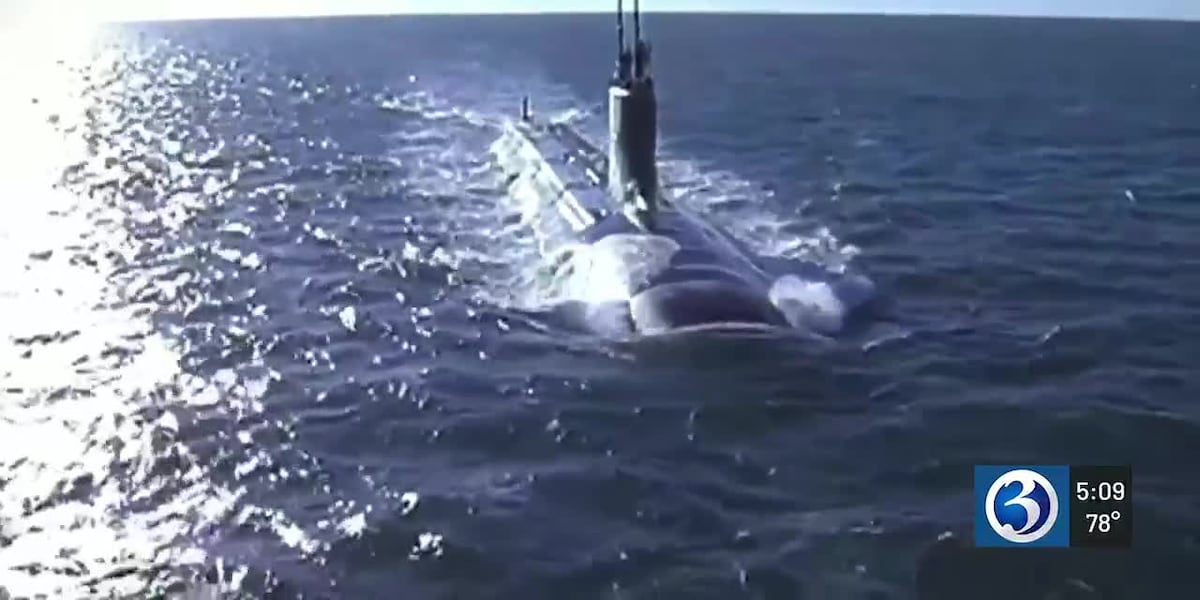
Electric Boat secured a $77 billion contract in Groton covering nine Virginia-class submarines and five Columbia-class boats, along with another $5 billion to rebuild the shipyard itself. The agreement took more than 1,500 days to negotiate.
But the number that matters most is not $77 billion. It is 8,000.
That is how many people Electric Boat needs to hire to sustain production. The company is already more than halfway there after adding over 4,000 workers this year alone. To train them, it bought a vacant shopping mall and is converting it into workforce development space. Along the Groton waterfront, it is clearing out anything that does not directly support shipbuilding. Meanwhile, nearby New London is short at least 10,000 housing units.
Taken together, this looks less like a labor shortage than a capacity challenge. Electric Boat has launched one submarine a year for the past four years and plans to maintain that pace while nearly doubling its workforce. That means thousands of new employees must learn work that has often lived in the heads of people with twenty years of experience on the deckplate.
Rep. Joe Courtney said the contract would help improve production cadence, and he is right. But cadence does not come from funding alone. It comes from a repeatable process, and that process has to be captured somewhere a first-year welder can actually follow.
75 destroyers, no two alike
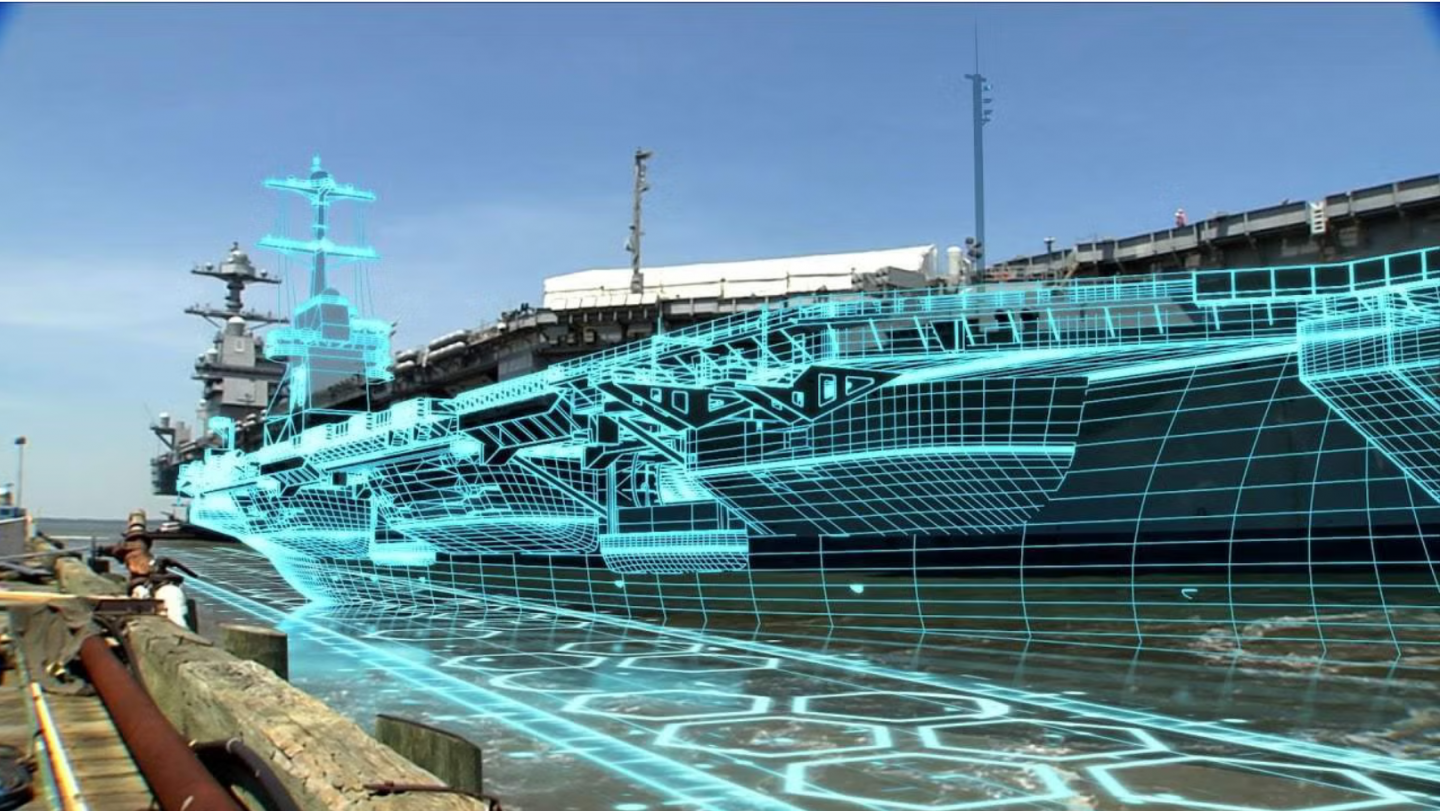
Writing in RealClearDefense, retired Coast Guard captain Brian McSorley draws a sharp contrast between American and South Korean shipbuilding. Hanwha Ocean already builds warships using integrated digital models, with production data flowing directly into maintenance. The U.S. Navy, meanwhile, operates 75 Arleigh Burke-class destroyers and cannot find two in the same configuration. More than 200 ships in service have no digital model at all.
The consequences show up in rework, delays, and cost overruns. Construction on the Constellation-class frigate began before the design was stable, contributing to a delay of nearly three years and a 26 percent cost increase. The Ford-class carrier program spent more than $600 million trying to retrofit a digital thread onto a ship originally designed on paper.
His workforce argument matters most when placed next to Groton. A complete digital data package allows qualified work to move beyond the largest shipyards and into smaller yards and suppliers that have not spent decades building institutional knowledge. That is how the industry expands capacity and holds cadence without waiting twenty years for a new generation to learn the boat.
Korea is selling us the playbook
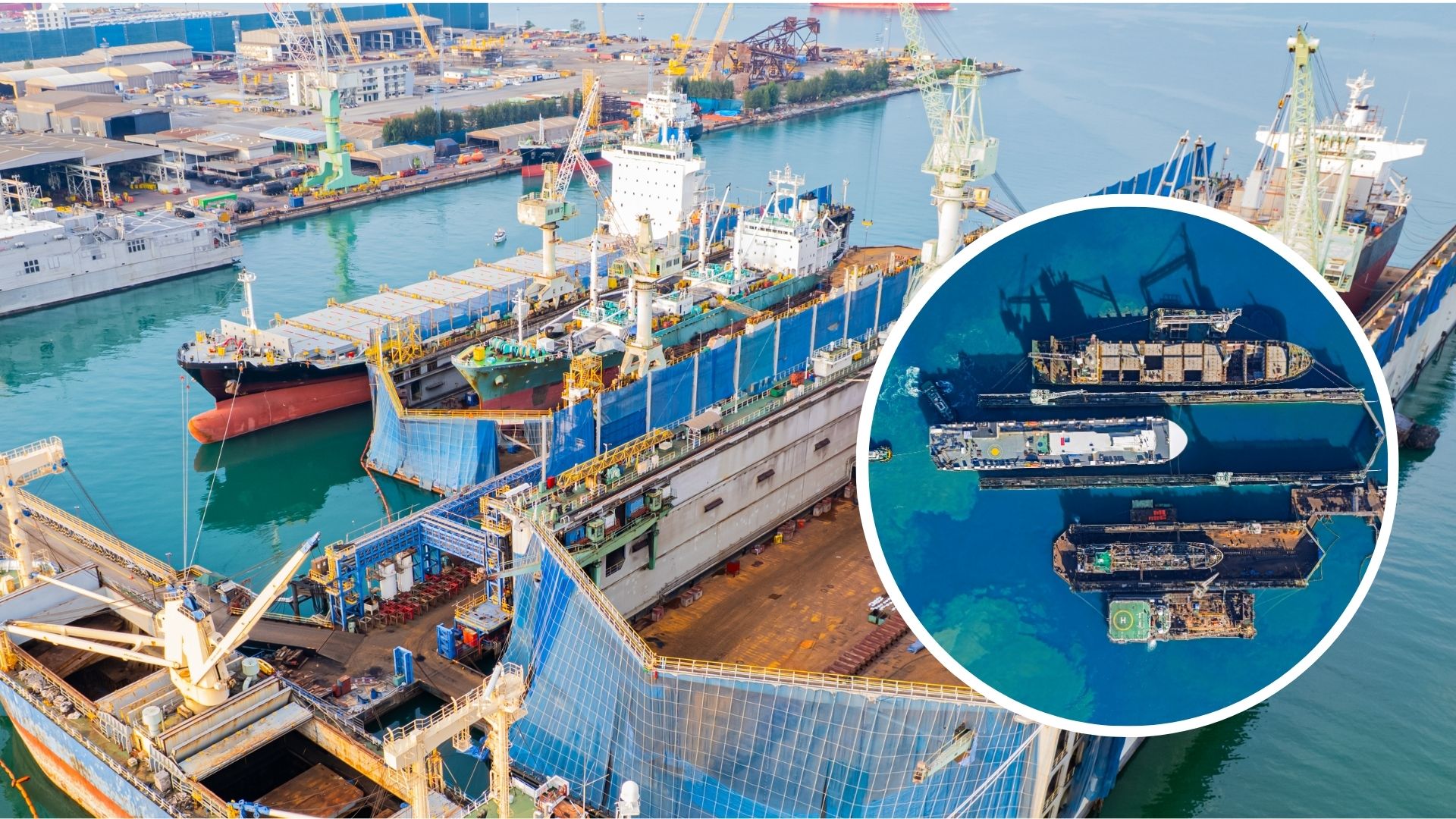
HD Korea Shipbuilding & Offshore Engineering has signed an MOU with Fraser Industries to help modernize U.S. shipyards. The scope covers the full production lifecycle, including yard and factory layout, robotics and automation, AI-driven production systems, supply chain development, and workforce training. A formal consulting agreement is expected later this year, with Fraser Shipyards on Lake Superior serving as the demonstration site.
Fraser is already part of the Great Lakes Shipyard Alliance alongside Fincantieri Marine and Donjon Marine. Together, the group is pursuing the Coast Guard’s light icebreaker program under the Maritime Prosperity Zones initiative.
What matters here is what the United States is actually importing. It is not hulls or welders. It is the operating knowledge required to design a yard, organize the work, and run production systems that can hold a schedule.
That is the same gap McSorley identified. South Korea built that knowledge through decades of continuous shipbuilding. Buying it is faster than trying to relearn it from scratch, but it only creates lasting value if American yards have a way to capture, standardize, and apply it.
Notice what none of these stories lacks. There is money, demand, and political support to rebuild the yards. The Navy has signed the largest shipbuilding contract in modern history, and Electric Boat is already halfway to its hiring target. If capital or orders were the real constraint, the problem would already be solved.
The harder constraint is the gap between design and production. A submarine exists once as a model and again as thousands of decisions made on the deckplate. Today, much of the connection between those two versions lives in the heads of experienced workers who are beginning to retire.
That is the gap Electric Boat is hiring 8,000 people into. It is the gap Fraser is paying HD Korea to help close. And it is the gap behind the delays and cost overruns on programs like Constellation and Ford.
None of this is unique to the Navy. Any manufacturer producing low-volume, high-complexity, engineer-to-order products faces the same risk. The difference is that the Navy’s version is now a matter of public record, with $77 billion attached to it.
See you in two weeks,
— The Dirac Team