
The center of gravity in manufacturing is shifting. Capital that once chased software is moving toward physical goods and AI is being applied directly to how products get designed and built.
What ties these together is a growing reliance on structured engineering data. Whether it's a startup using AI to predict physical behavior, or a region positioning itself to capture the next wave of hardware investment, the common thread is the same. The work moves faster and scales further when the underlying data is connected rather than fragmented.
As this momentum builds, the winners will be the ones who get the fundamentals right, starting with how their data moves.
Assembly of the Week
Radial Engine

This week’s assembly instructions powered by BuildOS is a radial engine assembly for a military aircraft.
Rate this CAD Model in BuildOS
If you have a favorite CAD assembly you’d like us to feature, reply to this email. We love seeing what people are building.
Industry News
Columbus Becomes a Magnet for Hardware Innovation

As venture capital moves toward physical goods, Columbus is emerging as a real hub for hardware innovation. It is a place where products get built and where teams are rethinking how those products come together. The shift shows software-era talent and money flowing into manufacturing, and the companies that win will be the ones whose engineering data and production workflows are built to scale.
PhysicsX Raises $300M to Embed AI Across the Industrial Product Lifecycle

PhysicsX closed an oversubscribed $300 million Series C at a roughly $2.4 billion valuation, more than doubling its value in under a year. The company's AI models predict physical behavior in seconds rather than hours or days. That lets engineering teams evaluate far more design variants and carry physics insight across the full product lifecycle, from early design and manufacturing to real-time digital twins in operation. The raise signals real traction for industrial AI applied meaningfully to hardware. It also reinforces that AI only delivers when it runs on structured, connected engineering data rather than fragmented documentation.
Manufacturing Moves to the Front Lines
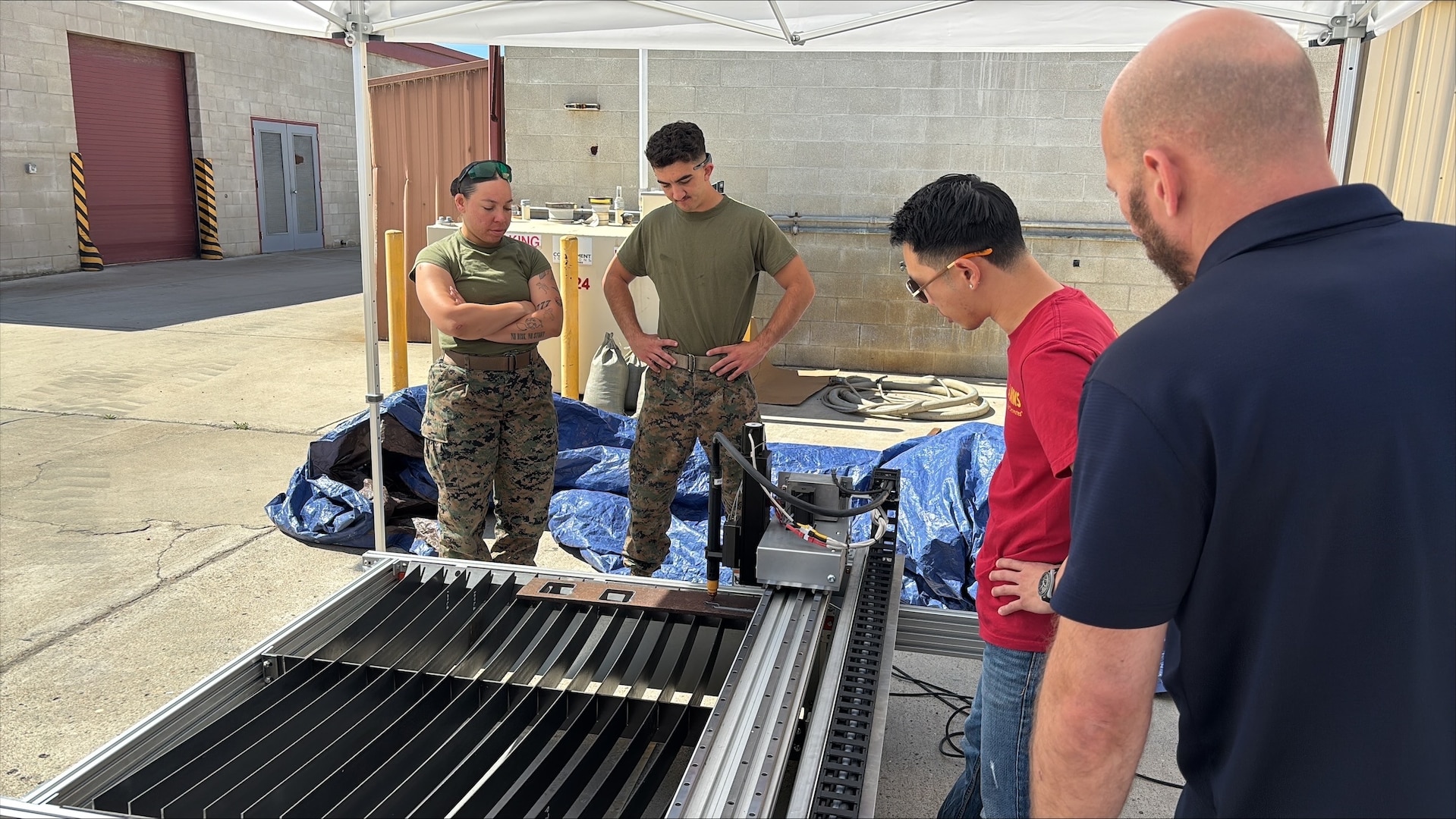
The new Advanced Integrated Mobile Machine Shop lets forward-deployed Marines fabricate parts in the field instead of waiting on a long supply chain to deliver them. By moving production closer to the operator, the capability shortens repair timelines and keeps equipment mission-ready in places where resupply is slow or uncertain.
We keep seeing distributed manufacturing take hold, especially in defense, where fabrication in the field is now a strategic advantage.
The theme across all of this is hard to miss. Capital, talent, and production are all moving toward physical goods, and AI is starting to reshape how those goods get designed and built.
But more investment and more capability do not automatically translate into faster, smarter operations.
The manufacturers who pull ahead will be the ones whose engineering data is structured, connected, and ready to move.
Whether that data is feeding an AI model or guiding a machine shop in the field, that foundation is what turns momentum into real, lasting advantage.
See you in two weeks.
— The Dirac Team