
The manufacturing industry is quickly redefining how engineering data is created, stored, and leveraged. Across many industries, companies are moving beyond static documentation, toward connected data ecosystems that support AI, protect intellectual property, and accelerate innovation.
This shift is being driven by consolidating 3D CAD data for AI workflows, securing sensitive engineering IP as domestic manufacturing accelerates, and connecting operational and compliance data directly back to the design process.
Assembly of the Week
Printed Circuit Board

This week’s assembly instructions powered by BuildOS is a Printed Circuit Board.
Rate this CAD Model in BuildOS
If you have a favorite CAD assembly you’d like us to feature, reply to this email. We love seeing what people are building.
Industry News
Mazda Consolidates 3D CAD Data to Power AI-Driven Engineering

Mazda is taking major steps to consolidate its 3D CAD data and modernize its engineering infrastructure. By deploying Dell Technologies PowerScale, the automaker is building a scalable data foundation designed to support AI-driven workflows.
More importantly, this signals a broader industry shift: manufacturers are recognizing that accessible 3D data is a prerequisite for applying AI effectively across engineering.
“Invented Here and Made Here” Signals a Shift in Manufacturing Strategy.
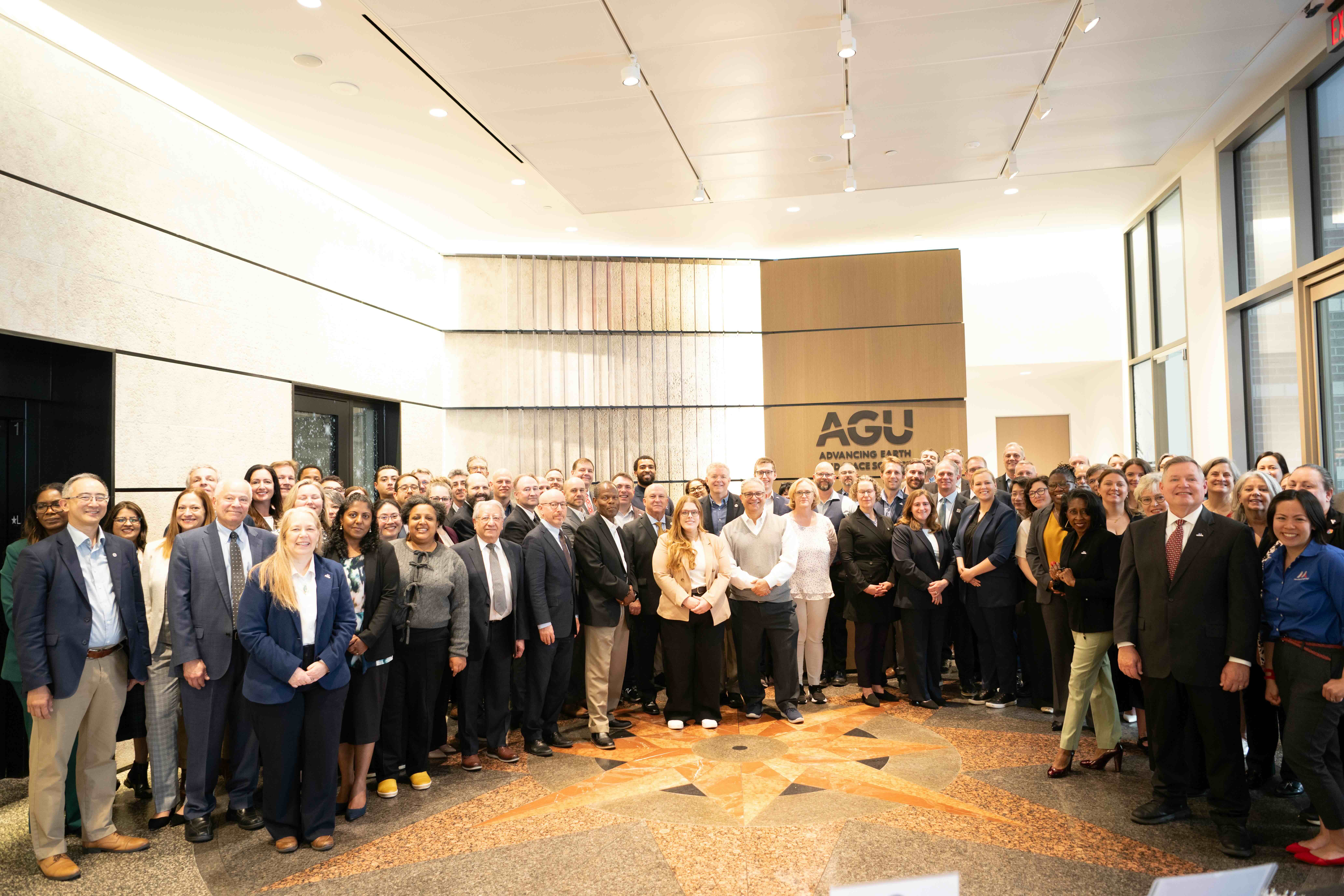
At the 2026 Manufacturing USA Network Meeting, industry leaders and federal agencies rallied around a clear message: “Invented Here. Made Here.” The initiative reflects a growing national focus on reshoring advanced manufacturing and reducing the long-term risks of exporting critical IP and engineering expertise overseas.
As manufacturers rethink supply chains and data ownership, sharing sensitive design files and 3D models is being viewed as a strategic vulnerability. The shift toward centralized, secure control of engineering data is becoming an important part of maintaining competitiveness in the AI era.
Compliance Builds the Baseline, Real-World Performance Builds Reliability
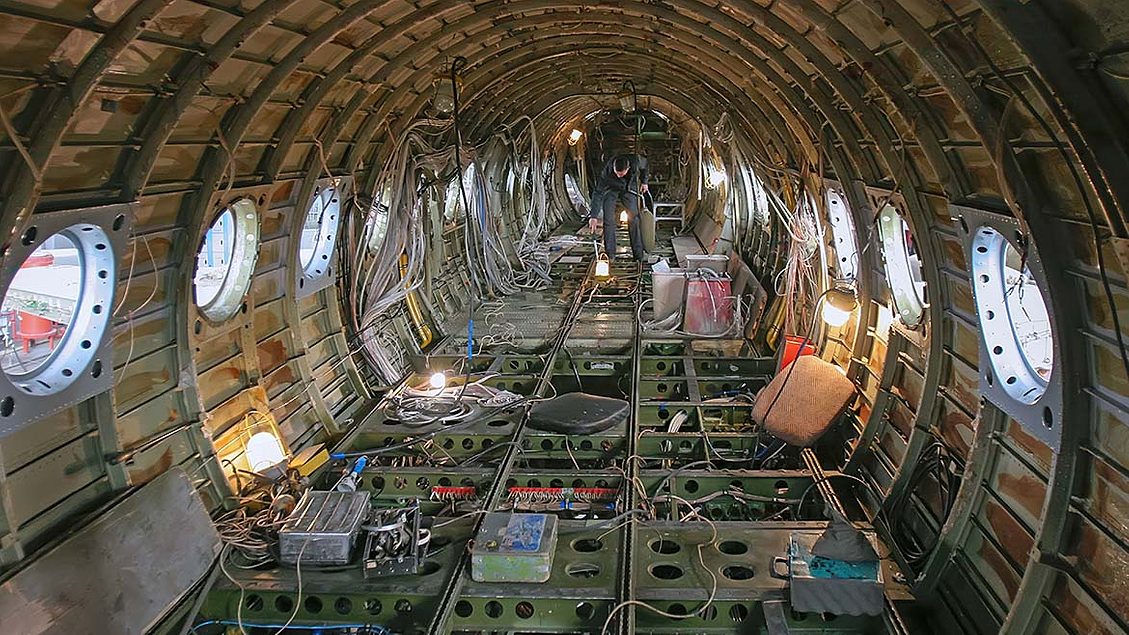
In aerospace and defense manufacturing, reliability is shaped by real-world operating conditions such as extreme temperatures, vibration, shock, and long-term field performance. Compliance testing and field validation generate large amounts of insight that shouldn’t live in disconnected reports or siloed systems.
To improve future design iterations, manufacturers need this data stored in context with the original 3D model and engineering data. Connecting compliance results, field telemetry, and testing outcomes directly to the design creates a continuous feedback loop ultimately making engineering decisions faster, more informed, and more reliable.
Manufacturing is entering a new era where data infrastructure is becoming just as important as physical infrastructure.
As AI adoption accelerates, supply chains shift, and IP protection becomes a strategic priority, manufacturers can no longer afford disconnected engineering systems and siloed operational data.
The companies building connected digital threads between design, production, and real-world performance will be the ones that iterate faster, protect knowledge more effectively, and adapt more confidently as the industry evolves.
See you in two weeks.
— The Dirac Team