
Hi there,
Welcome back to The Model-Based Manufacturer, your bi-weekly pulse check on how the worlds of design, production, and software are colliding on the shop floor.
In this second edition, we’ve got a fresh assembly of the week, and we’re digging deeper into the industry trends that highlight the importance of shifting to a “model-based” approach to bolster western manufacturing capacity.
Assembly of the Week

3-axis CNC Machine
This week’s assembly instructions powered by BuildOS is a 3-axis CNC machine.
Rate this CAD Model in BuildOS
If you’re not a fan of this CAD assembly, tell us why by replying to this email. We’d even love for you to send us one you’d like to feature.
Industry News We’re Watching

Fortune reports that U.S. manufacturing is projected to add ~4 million jobs by 2033 as boomers retire. Roughly half of those roles may go unfilled, and only about 14% of Gen Z say they’d consider industrial work. The perception: factory jobs are inflexible, unsafe, and don’t offer real growth.
If the narrative is still “dirty, repetitive, dead-end work,” we shouldn’t be surprised when top talent walks. The factory floor should be framed (and actually run) as an arena for learning, skills compounding, and career progression.
Modernizing the floor with model-based tooling, clear digital instructions, and feedback loops that respect operator input doesn’t just improve throughput; it changes the script.

Back in 2018, Boeing rehired some retired mechanics to ensure timely deliveries of 737s. On the surface, it’s a story about headcount and throughput. Underneath, it’s about tribal knowledge: when your ability produce depends on bringing retirees back, it’s a signal that critical process knowledge is living in people’s heads, not in your systems.
Model-based manufacturing processes are how you capture that know-how once and make it reusable for new generations of mechanics. Rehiring retirees might be a necessary short-term fix. But long term, the healthier pattern is: institutionalize the knowledge in model-based systems, not emergency contracts.

Manufacturing CIOs are making digitizing their manufacturing processes a priority by transitioning to model-based manufacturing. Instead of relying on 2D drawings and scattered documents, OEMs are moving toward a world where the annotated 3D model is the single source of truth for design, manufacturing, and inspection.
Data is being formatted to be rigid enough for machines to consume, but rich enough that humans still understand it, thus translating directly into production speed and agility. The aerospace industry is showing the rest of the industry why model-based manufacturing on the shop floor is critical.
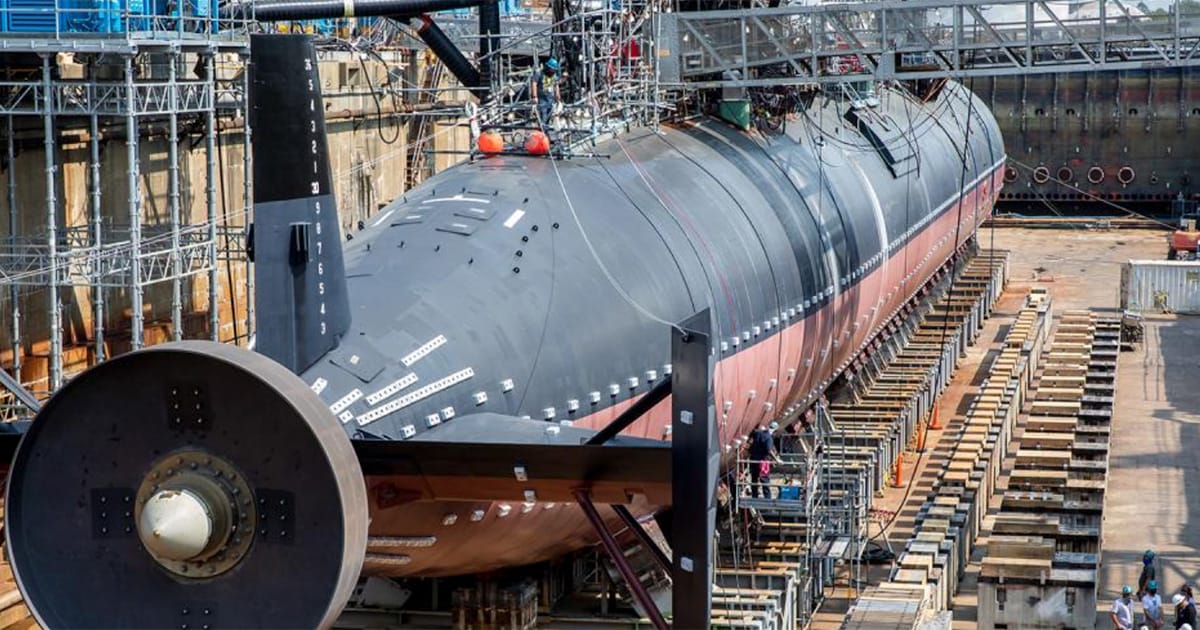
Fairlead, a U.S. maritime engineering and manufacturing provider, is rolling out Dirac’s model-based manufacturing stack across its operations, as covered by Ocean News & Technology. The partnership is aimed at creating a “software-defined” shipbuilding environment, with context-aware production planning and real-time feedback loops from design through delivery.
Why this matters:
Shipbuilding is a legacy-heavy, high-mix, high-complexity domain—exactly the kind of place where the “we’ve always done it this way” mentality can quietly kill throughput and resilience. Seeing a company like Fairlead push toward model-based work instructions and digital context for every build is a strong signal that this shift isn’t confined to EVs, rockets, or greenfield factories.
When companies begin treating software as core infrastructure (not an afterthought), it’s a good indication that the rest of the industrial base won’t be far behind.
“Model-Based Manufacturing” in a Nutshell: Reminder
Model-based manufacturing is an approach where the 3D product model (and its associated data) is the primary source of truth that flows from design into production, quality, and service. Instead of re-interpreting CAD into static documents (PowerPoints, PDFs, workbooks), the model drives:
Process planning & work instructions (how things get built)
Bills of Material (what’s needed and in what structure)
Tooling & fixtures context (how work is actually done on the floor)
Feedback loops from the line back into design
In short: the digital model isn’t just a drawing. It’s the operating system for how you build, inspect, and service the product.
That’s the world we’re betting on, and much of the news above points in that direction too.

Thanks for reading the second issue of The Model-Based Manufacturer.
See you in two weeks.
— The Dirac Team